Sump-pump installation in Des Moines: scope and assistance
Published November 2, 2026 · Sources checked November 2, 2026
Written by Arthur Smelyansky, Publisher. Updated November 2, 2026.
Before comparing a sump-pump proposal in Des Moines, identify whether it is a new installation, a discharge redirection or replacement of existing equipment. Ask what water the system will collect and where it will send it. Then check any relevant city-assistance conditions separately. The basement-water planning guide helps establish the observation record before you evaluate equipment.
Which project is actually being proposed?
Ask the provider to describe the existing system and mark each proposed change. A new basin and collection route are different from replacing a pump in an existing basin. A discharge redirection is another scope to explain. Keep those distinctions visible in the estimate so that price, access, restoration and assistance questions refer to the same work.
| Proposal type | Ask the provider |
|---|---|
| New installation | What collection route, basin, equipment and discharge are included? |
| Discharge redirection | Which existing route changes, and what is the proposed endpoint? |
| Pump replacement | Which equipment is replaced, and what existing components are retained? |
| Combined project | How is each part priced, described and checked at completion? |
What does the documented city program cover?
The cited city application lists certain new installations or redirections, new backwater valves and roof-leader disconnection; it excludes replacement of an existing sump pump. The ordinance sets a maximum $1,500 reimbursement for qualifying work, subject to approval and available funding. These are program conditions, not a statement that a particular project qualifies or a prediction of its cost.
Read the official application, revised October 30, 2025, and Ordinance 16,442. The cited ordinance requires preapproval before work and work performed by a licensed plumber under a city plumbing permit. The March 2025 amendment limits qualifying new backwater valves to protection of the entire basement or lowest level and excludes work required by the city. Confirm the current application and funding with the city before relying on reimbursement.
What belongs in the system description?
Request the basin, pump model, controls, cover and discharge route, plus any collection drains or backup components included in the proposal. Ask how the provider selected them for the site and what remains unverified. Keep electrical work, approvals, access and restoration explicit. Neither the program's maximum reimbursement nor an airport rainfall figure determines a suitable system.
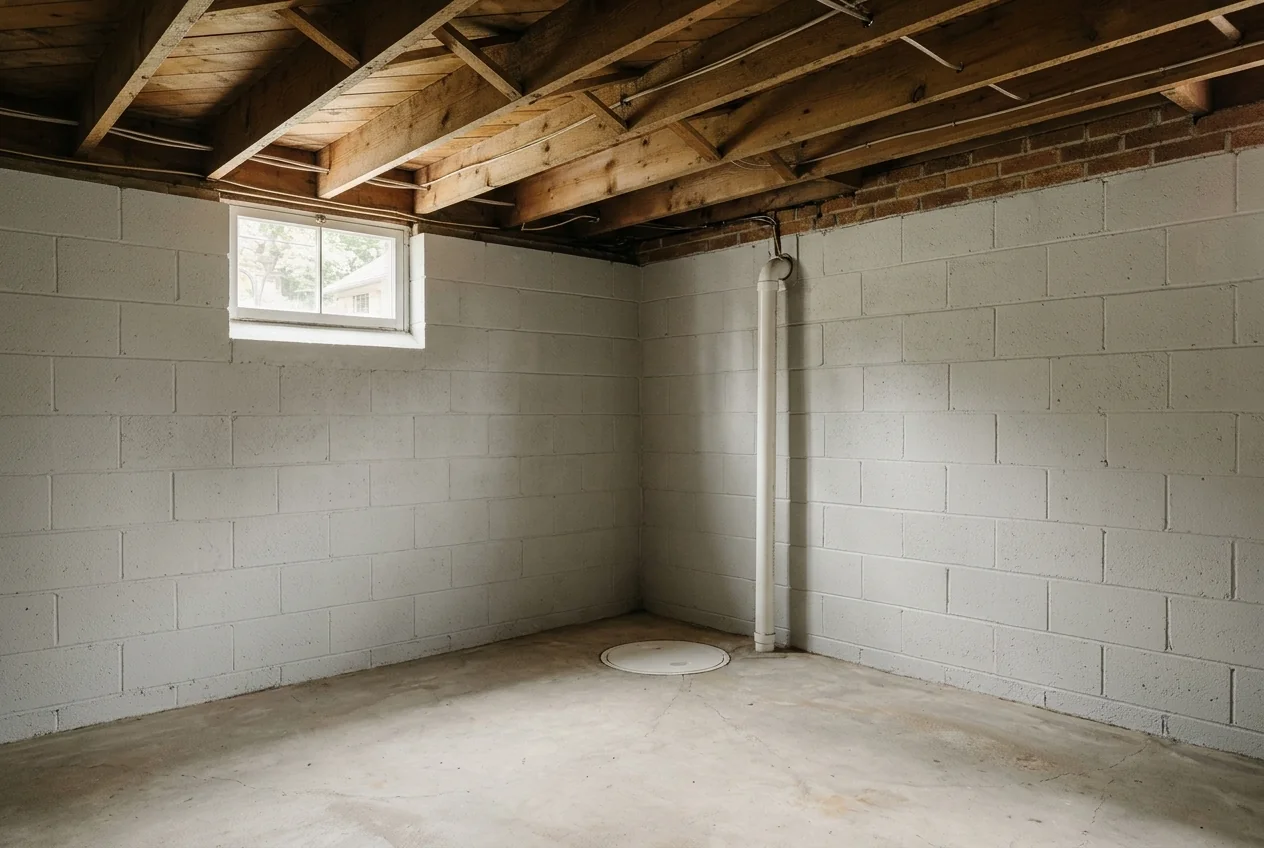
The PNNL sump-cover guide describes a tight-fitting, sealed cover and explains why an open sump can add indoor moisture and allow soil gases into a basement. Its national guidance does not certify an existing installation or establish the adopted requirements for your project.
What should you ask about valves and discharge?
Ask which component is proposed, what function it serves and where it appears on the system route. The check-valve definition explains the one-way sump component. Do not assume that this is the same as a sewer backwater valve. Request the provider's explanation of the discharge endpoint, applicable approvals and the owner checks required by the supplied instructions.
Which records should be ready at handover?
Keep the installed equipment information, final scope, operating checks, relevant permit or inspection records, maintenance instructions and warranty conditions. If city assistance applies, follow the city's documentation requirements as well. Use the project checklist to track the questions and records; completing a checklist is not proof that a system meets a design or program requirement.
For dated source material and the broader housing and weather context, see the Des Moines statistics hub.